
CONSULTING ENGINEERS
Reducing technical risk.Compressing delivery.Strengthening defensibility.
Kalabas was developed to support consulting engineers who operate in an environment where certainty matters — designs must be technically sound, compliant, resilient to real-world conditions, and deliverable within tightening timeframes and budgets.
Kalabas is not a generic package plant, nor a one-off bespoke solution. It is a modular, fully engineered potable water treatment system designed to reduce design risk, shorten delivery cycles, and perform consistently under variable source-water conditions.
Integrated treatment train
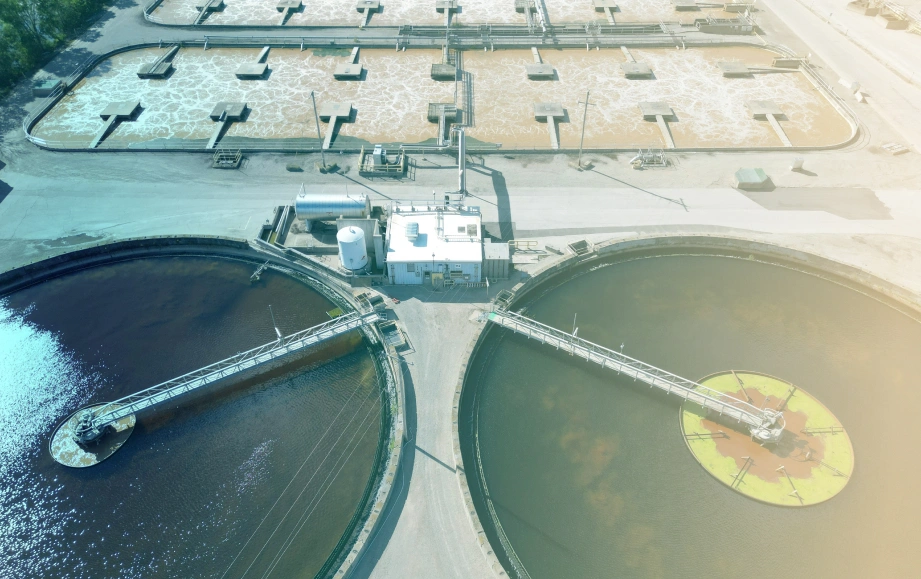
A single modular system replaces what would conventionally require four to five separate treatment structures.
Extreme turbidity tolerance
Proven ability to handle turbidity levels exceeding 400 NTU without redesign.
98–99% NTU removal
Consistent, repeatable clarity performance that supports confident specification.
Scalable modular architecture
From 0.1 MLD to 100+ MLD, expandable without major civil modification.
Addressing industry difficulties
Most water treatment projects begin with a set of assumptions that are already under pressure. Raw-water quality is increasingly volatile — turbidity, algal blooms, eutrophication, and seasonal variability push against narrow design margins.
The accountability gap
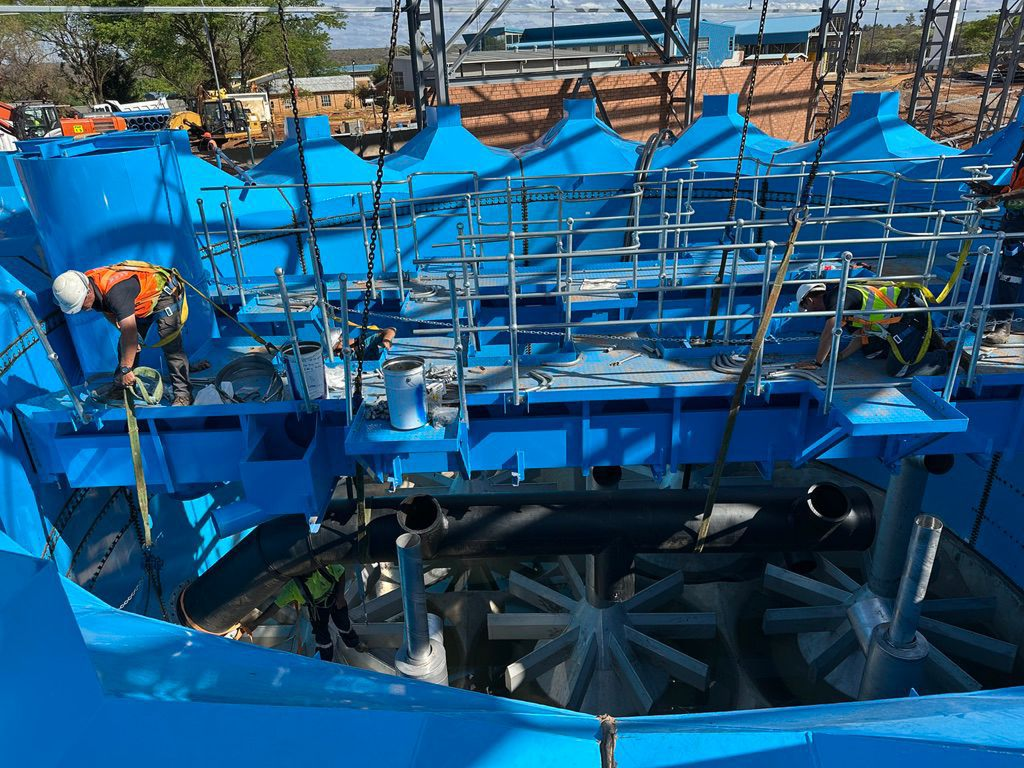
When plants underperform, the scrutiny is immediate and public — and consulting engineers are drawn into accountability regardless of where the failure originated. Kalabas was designed with those constraints in mind.
Traditional plant design often requires multiple independent structures, long design phases, and extensive multi-disciplinary coordination before construction even begins — each step adding risk of its own.
Shifting complexity out of the design phase
Rather than requiring engineers to design a treatment works from first principles, Kalabas provides a fully engineered, standardised treatment train in a modular format. All core unit processes are integrated into a single system, removing the need to design and coordinate multiple separate structures.
"Engineering effort moves away from plant configuration and toward network integration, hydraulic optimisation, and system performance."
Designing for variability, not ideal conditions
One of the most persistent risks in water treatment design is raw-water variability. Slim margins in water quality specifications leave little tolerance for deviation, yet real-world conditions rarely remain stable over the life of a plant.
>400 NTU
Turbidity absorbed
Zero
Modifications required
98–99%
NTU removal efficiency
This capability has been validated in practice. In Hammanskraal, seasonal turbidity spikes pushed raw water beyond 400 NTU — conditions that would typically require significant redesign or additional treatment stages. Kalabas handled these extremes without modification.

Performance confidence that supports defensible specifications
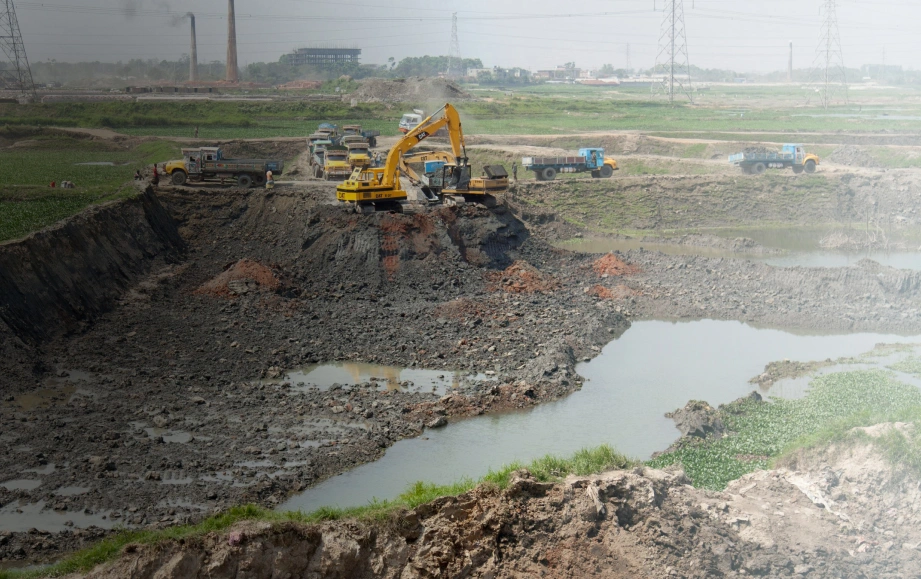
Kalabas delivers 98–99% NTU removal efficiency through an integrated seven-stage treatment process housed within a single structure. This translates directly into clearer performance expectations, more robust commissioning outcomes, and specifications that are easier to defend when questioned.
Because the system is standardised and repeatable at municipal scale, engineers are able to specify a solution with known performance characteristics rather than relying on bespoke configurations with uncertain operational behaviour.
Because the system is standardised and repeatable at municipal scale, engineers are able to specify a solution with known performance characteristics rather than relying on bespoke configurations with uncertain operational behaviour.
Customisation without losing time or control
Engineers can respond to site-specific requirements without falling back into fully bespoke design cycles that inflate timelines and risk. Unlike fixed package plants that offer limited adaptability, Kalabas allows targeted customisation without undermining delivery speed or cost certainty.
Modules can be adjusted to suit different water types — including surface waters affected by algal blooms, eutrophication, or high suspended solids — while maintaining the benefits of a pre-engineered system.
Designing today without constraining tomorrow
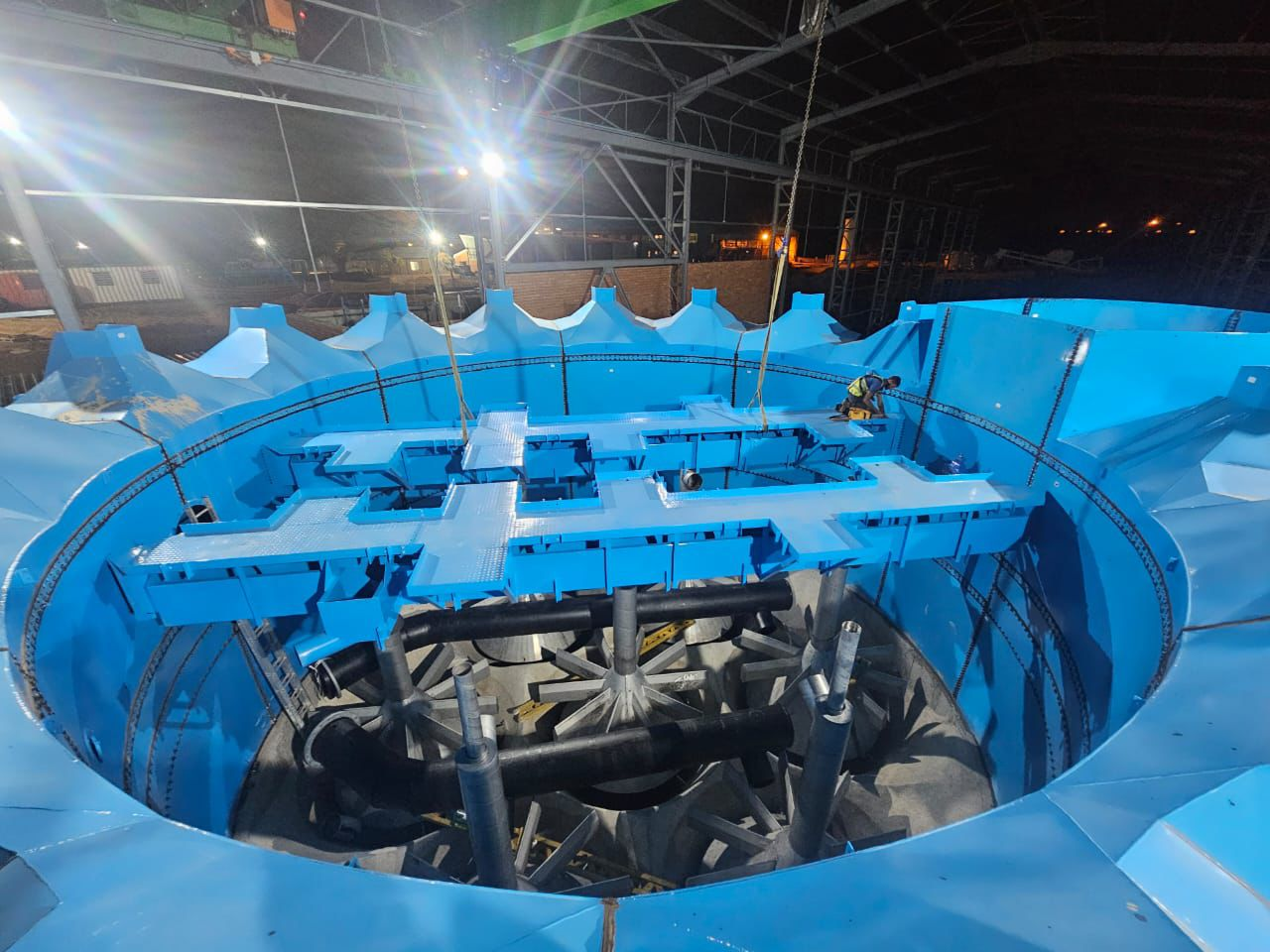
Kalabas is scalable from 0.1 MLD to over 100 MLD, enabling phased implementation and future expansion without major civil rework. Each module operates independently, providing redundancy and operational flexibility while protecting the integrity of the original design.
"Engineering effort moves away from plant configuration and toward network integration, hydraulic optimisation, and system performance."