
Financial Benefits
Turning water infrastructure into a predictable financial asset
Less energy
Significant savings, plus eligibility for South African Section 12L energy tax rebatesLess chemical input
Reduced recurring consumablesFewer parts
Reduced spares, breakdowns, downtime, and labourEmbedded automation
Fewer operators, lower training costsMaterially lower cost base
This is not incremental improvement, it’s structural cost removal
Lower capital exposure from day one
Operating costs designed out
Not managed down
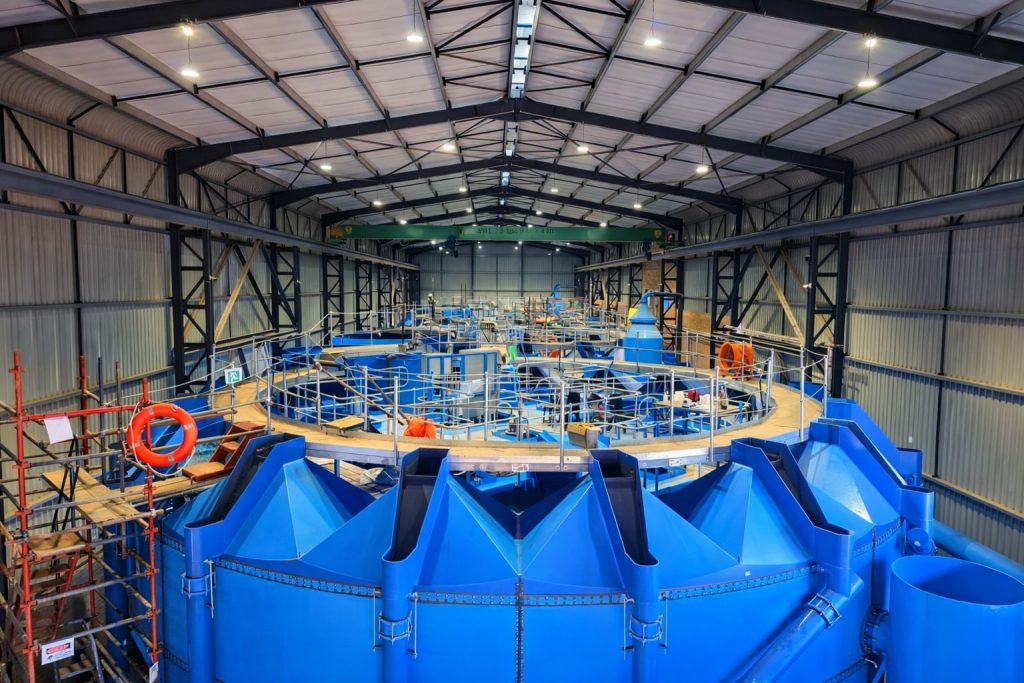
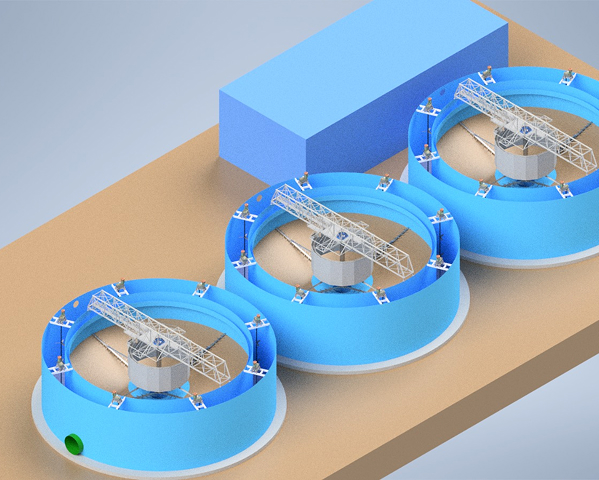
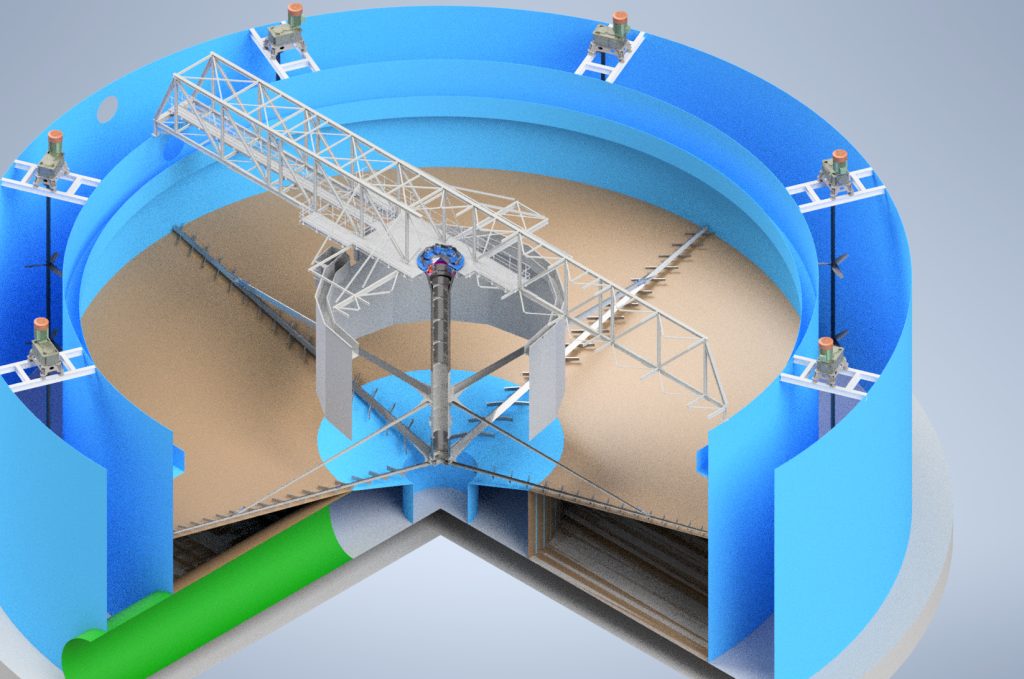
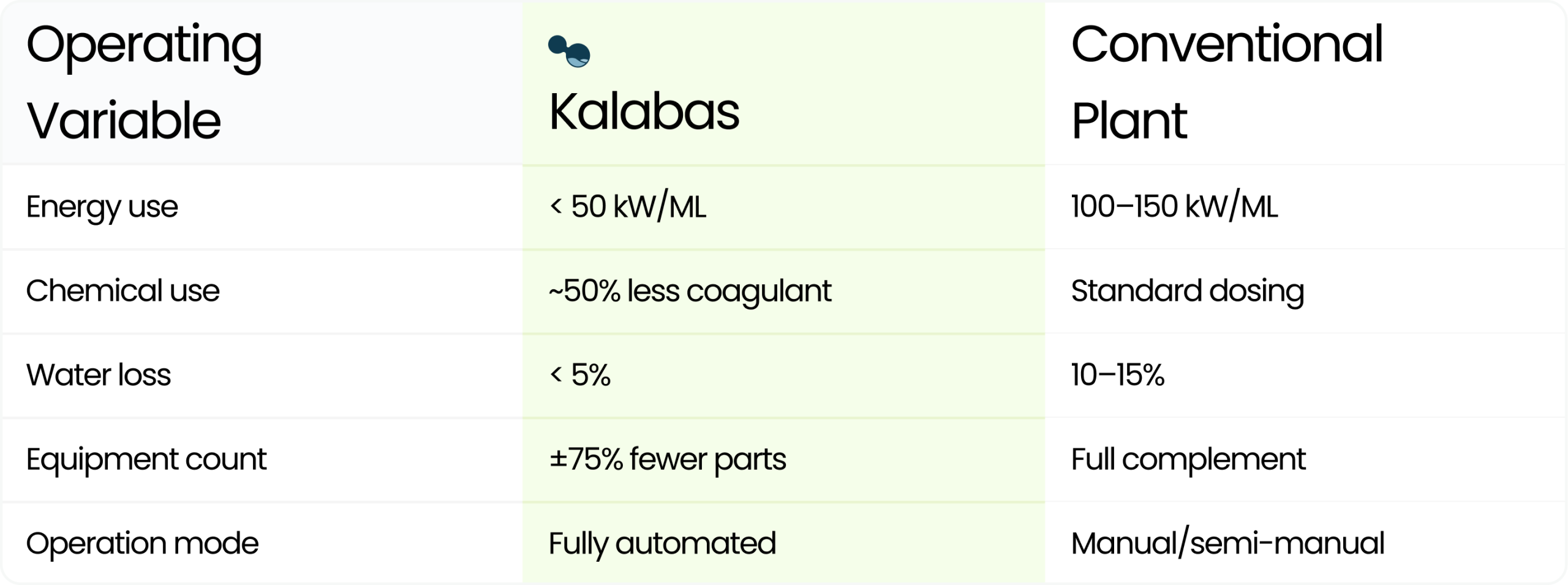
Kalabas delivers structural operating cost savings rather than marginal efficiencies. The system uses fewer chemicals, less energy, and significantly less equipment than conventional plants, because redundant processes have been engineered out rather than optimised after the fact.
With fewer moving parts and fully automated operation, maintenance requirements are lower, spare parts inventories are smaller, and staffing needs are reduced. Energy consumption per megalitre is materially lower than traditional plants, and water losses during treatment are minimal. The result is a permanently lower cost base, not one dependent on operational discipline or specialist availability.
Over the life of the asset, these efficiencies compound, lowering total cost of ownership and reducing exposure to rising energy, chemical, and labour costs.
Time-to-water:
The most powerful financial lever
This acceleration has direct financial consequences. Revenue is brought forward. Financing costs during construction are reduced. Developers avoid stalled projects and municipalities reduce the risk of service failures, penalties, or emergency interventions. In environments where water availability determines whether development can proceed at all, speed is not just a benefit; it’s the business case.
Scalable growth
Water demand does not grow in predictable steps, yet traditional plants force early over-investment. Kalabas uses true modularity so capacity is added only when required.
Each unit operates independently or in parallel, enabling phased capital deployment without new civil works, redesign, or downtime. This prevents stranded assets and keeps capital aligned to real demand.
Performance stability
Conventional plants often reduce capacity when raw-water quality deteriorates, directly affecting output and revenue. Kalabas maintains treatment performance even during extreme turbidity events.
This stability ensures predictable water production during floods, storms, and seasonal spikes, when operational and financial risk is highest.
Lifecycle protection
Kalabas is designed for long-term operational resilience, including power instability, automation-led operation, and renewable compatibility.
With a 25-year expected lifespan and ongoing product support, operating costs remain predictable and investment value is protected over time.