
The Kalabas advantage
Kalabas transforms utility-scale water infrastructure into a repeatable, modular system—reducing delays, lowering lifecycle costs, and ensuring consistent performance.
Lets TalkChanging what water delivery looks like
Kalabas turns utility-scale potable water into a repeatable, modular product, delivering faster commissioning, lower lifetime cost, and dependable performance even when raw-water conditions and operating environments are unstable.
In a nutshell, water treatment becomes a product, not a project. Kalabas reduces engineering overruns, procurement complexity, and civil-construction delays by standardising delivery into a modular platform that can be deployed, expanded, and operated with confidence.
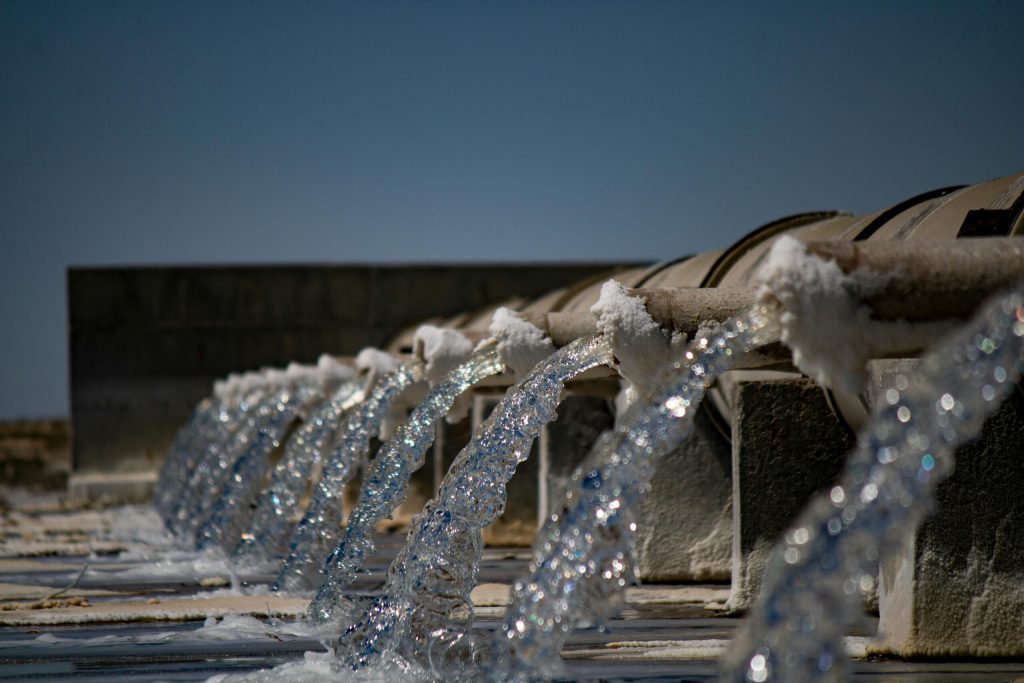


Deliver water sooner
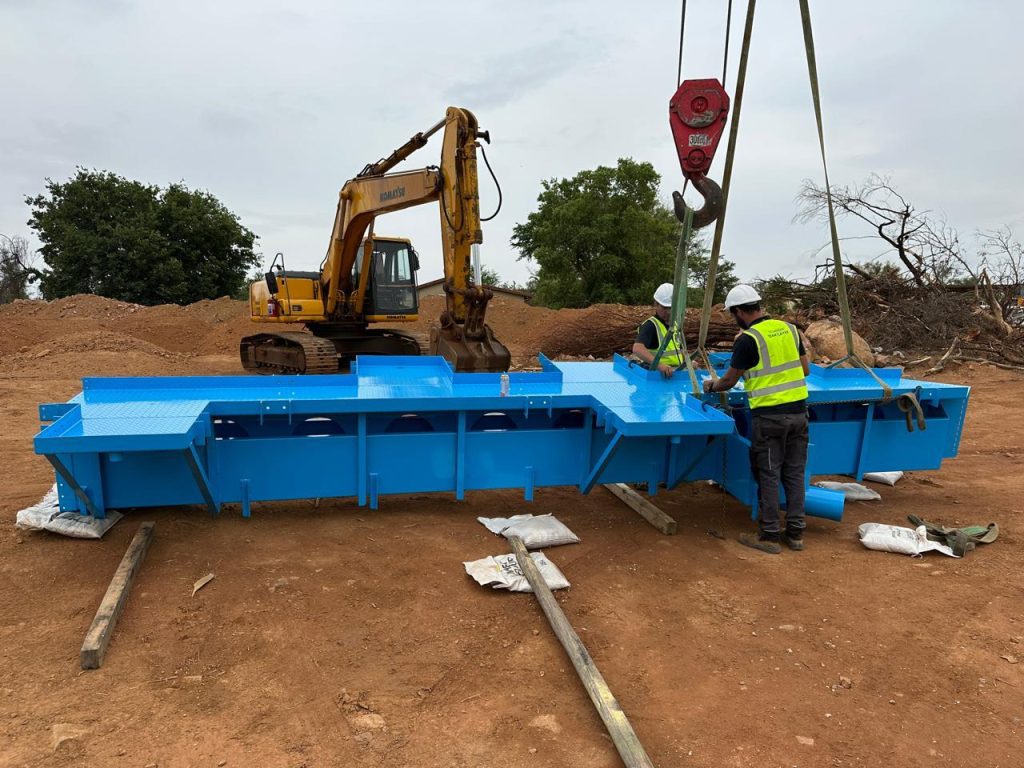
Pre-engineered, prefabricated modules can be installed and commissioned in under six months, instead of waiting through traditional multi-phase plant builds. That means approvals, production, and service delivery move forward while others are still finalising designs.
- Commission in under 6 months
- Accelerate approvals and revenue
- Less civil work, fewer delays
Scale without overbuilding
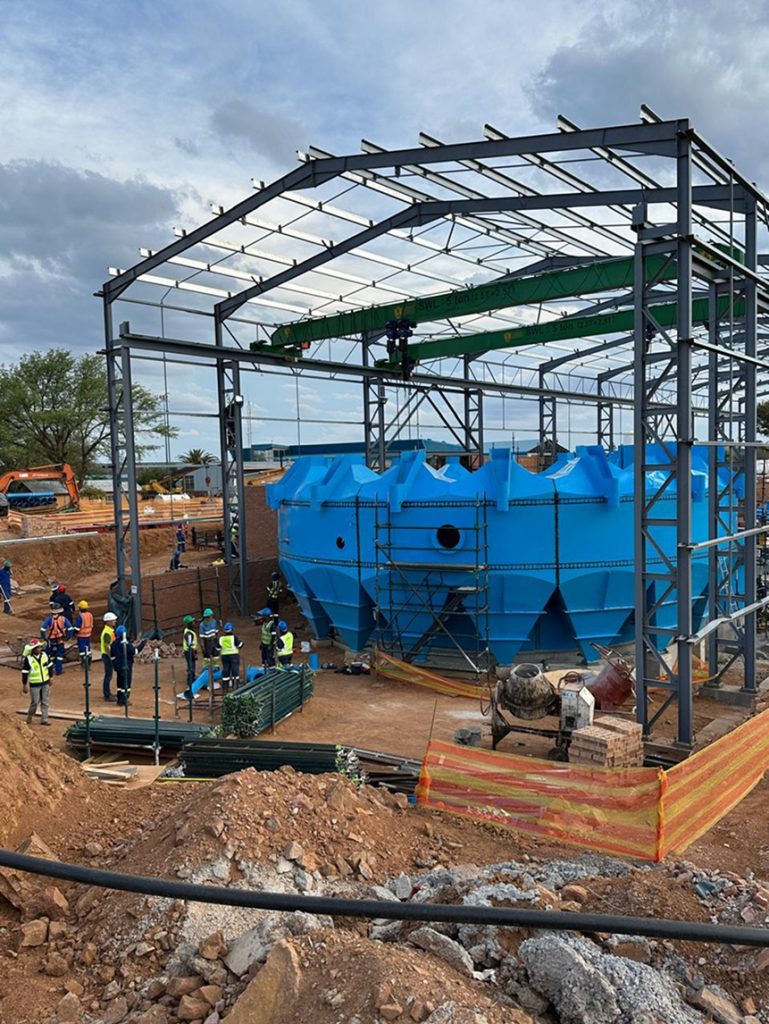
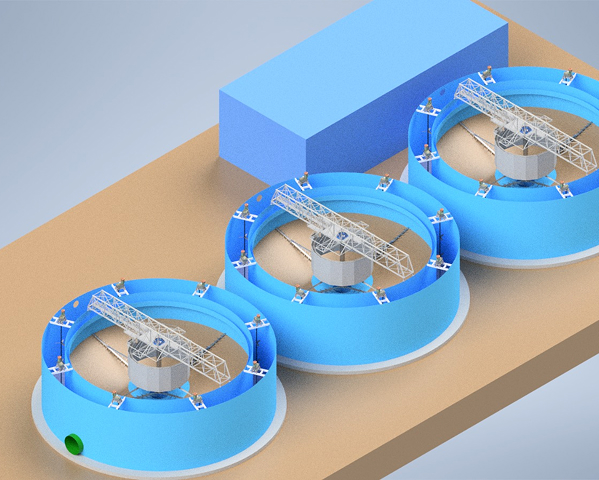
Start exactly where you need to, then expand in parallel as demand grows (from 0.1 MLD to 100+ MLD) without redesigning the whole plant or committing to oversized infrastructure up front.
- Add capacity in modules
- Grow with demand, not forecasts
- Parallel operation, phased rollout
Lower total cost of ownership
Kalabas reduces operating cost through measurable efficiency: ~50% less energy per megalitre, ~50% less coagulant, and <5% water loss (versus typical 10–15%), with high automation that lowers staffing requirements and improves cost predictability.
~50%
less energy
~50%
less coagulant
<5%
water loss
Build in tighter spaces
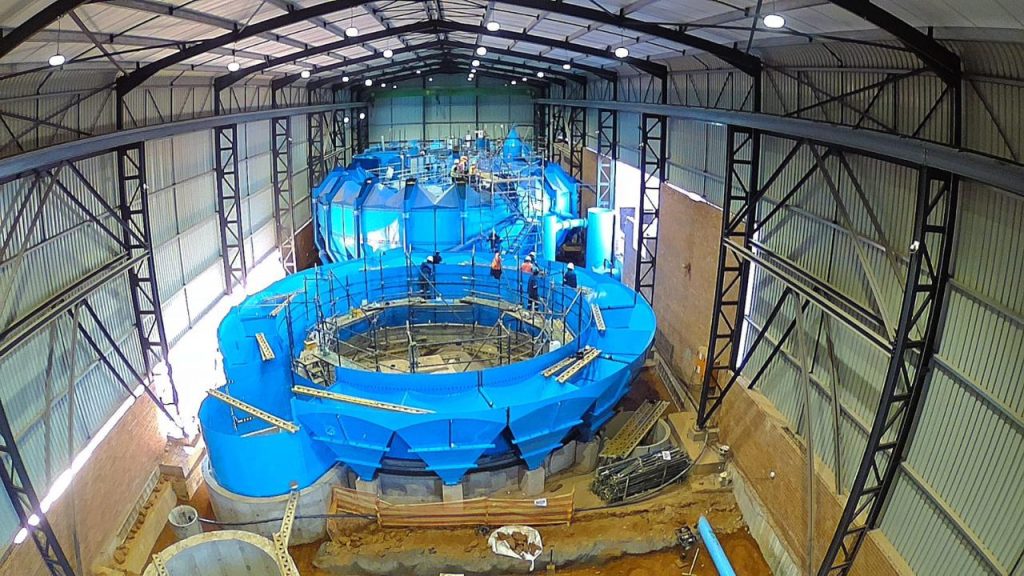
A smaller footprint and minimal civils make Kalabas practical where land is constrained, access is difficult, or legacy sites can’t accommodate conventional expansions. This reduces construction complexity, land requirements, and approval friction.
- Smaller footprint
- Minimal civils
- Fits constrained sites
Perform when conditions are toughest
Designed for real-world variability: Kalabas maintains output and quality through storms, seasonal swings, and difficult raw-water conditions (including turbidity >400 NTU) and is engineered to operate reliably in unstable energy environments.
- Handles extreme turbidity
- Built for energy instability
- Consistent quality, consistent output
Let’s talk about simplifying water treatment infrastructure
If you’re exploring alternatives to traditional, bespoke plant design, we’d welcome a conversation about how a modular, integrated approach could work for your site.
Lets TalkOne integrated treatment system
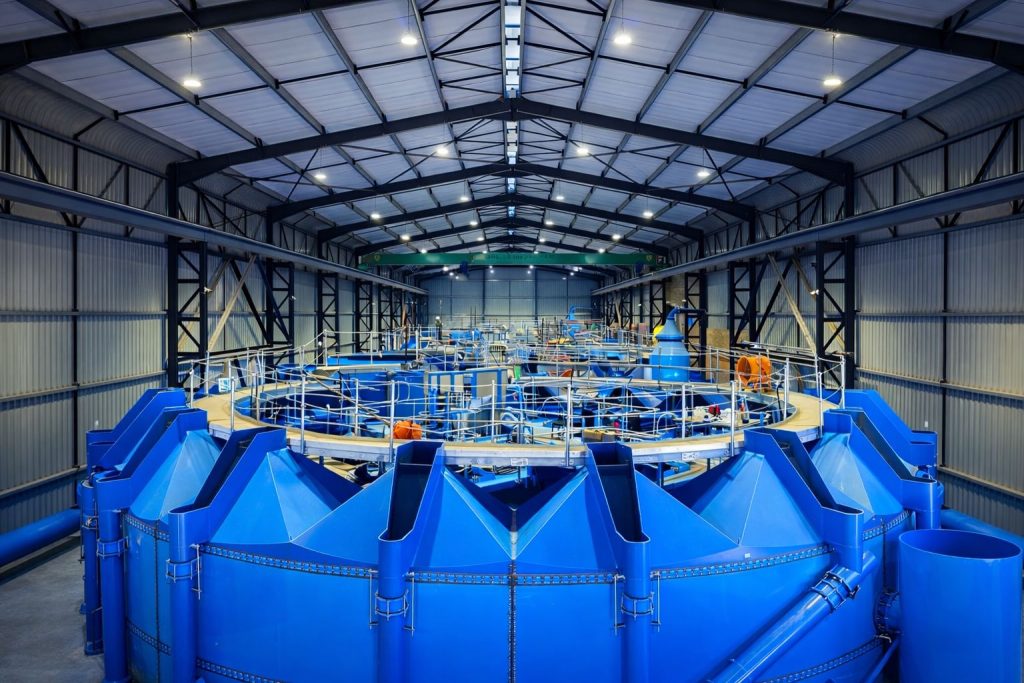
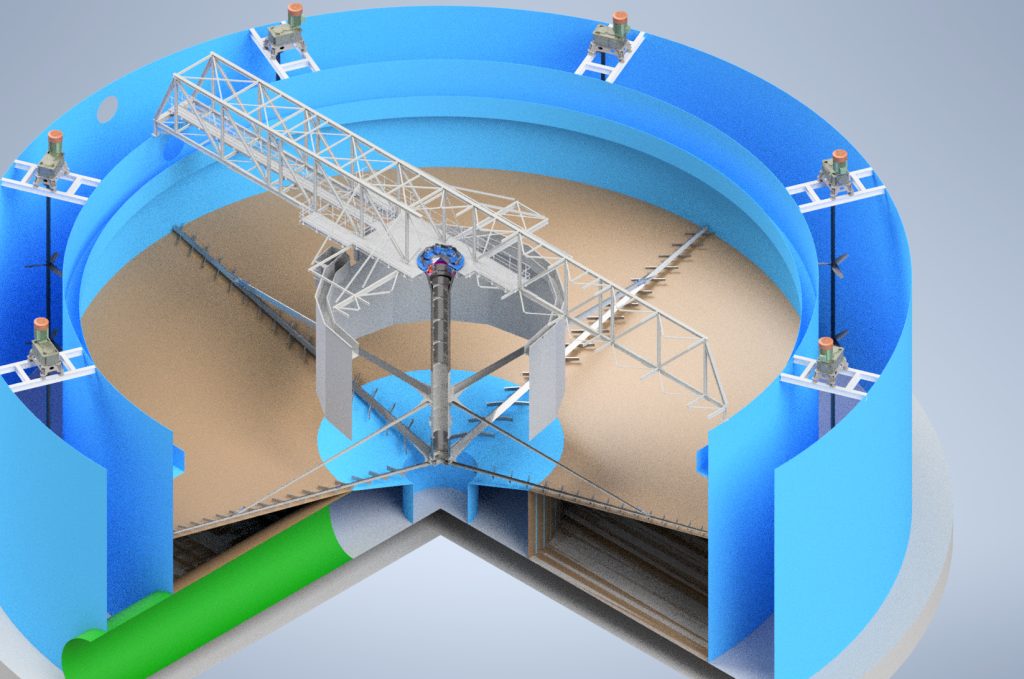
Seven stages (dosing, de-gritting, desilting, flocculation, flotation (DAF), filtration, disinfection) are integrated into one modular product. The result is fewer structures, fewer interfaces, and fewer opportunities for design and coordination drift.
- Seven stages, one system
- Fewer structures and interfaces
- Less bespoke engineering
Local innovation, built to last
Seven stages (dosing, de-gritting, desilting, flocculation, flotation (DAF), filtration, disinfection) are integrated into one modular product. The result is fewer structures, fewer interfaces, and fewer opportunities for design and coordination drift.
- Seven stages, one system
- Fewer structures and interfaces
- Less bespoke engineering
More water per unit
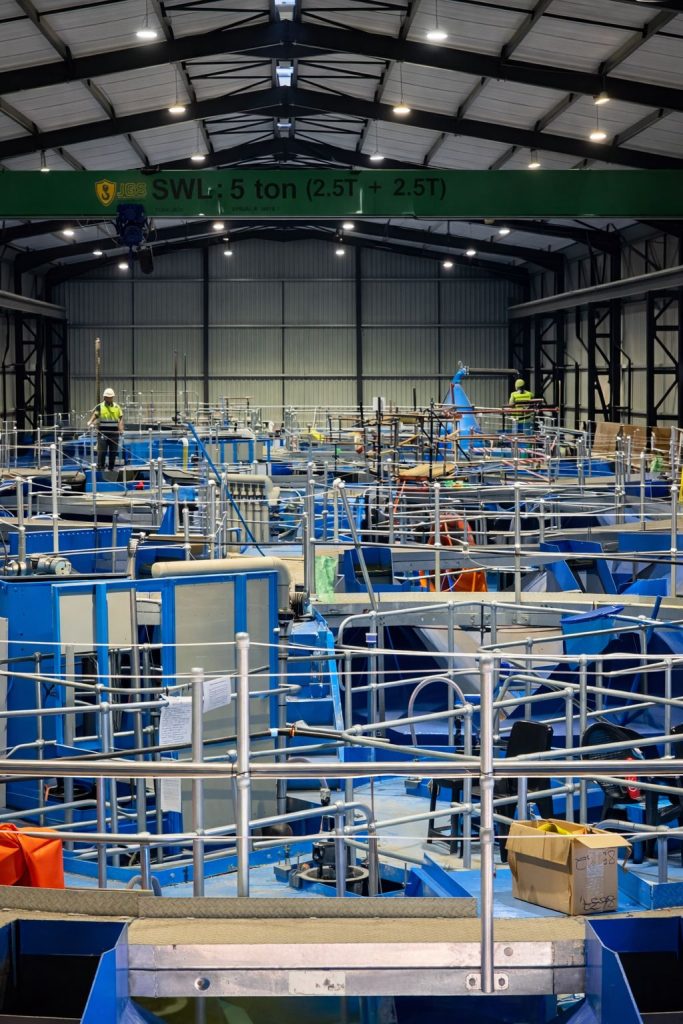
Each Kalabas unit delivers high output (16.5 MLD per unit; contracted 12.5 MLD), meaning more capacity from fewer installations and less supporting infrastructure.
- High output per unit
- Fewer units for the same demand
- Less infrastructure per megalitre
Start with a better way to deliver water treatment
Tell us about your project and we’ll show you how a modular approach can simplify design, delivery, and long term operation.
Lets Talk