
USE CASE
Making rapid, clean-water deliverythe new normal.
Emergency water failures are no longer rare events. Municipal collapses, contamination incidents, drought, flood-induced turbidity spikes, and failing legacy infrastructure have created a growing need for rapid, reliable potable water solutions.
When water systems fail, the consequences are immediate — unsafe drinking water, disease outbreaks, political fallout, and economic paralysis. Traditional engineering responses are too slow. Kalabas was built for exactly this scenario.
Handles extreme source-water variability
Pre-engineered to perform under conditions that overwhelm conventional systems.
Utility-scale output
Produces potable water at municipal scale — not a stopgap package plant.
Runs autonomously
Operates under energy instability without specialist operators on site.
No temporary compromise
Eliminates the need for short-term stopgaps that become permanent liabilities.
The challenge with conventional emergency responses
A conventional potable water plant can take 12–18 months to design, approve, construct, and commission — far longer than affected communities can wait. Package plants are faster but limited, typically delivering around 5 megalitres per unit with little ability to adapt when water conditions change.
The Hammanskraal problem
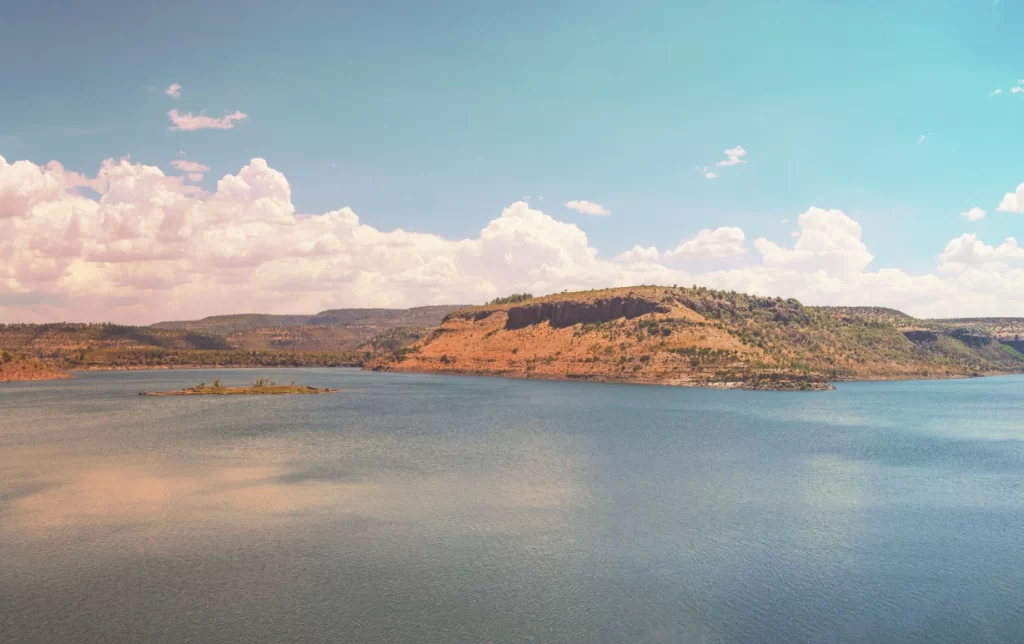
In 2023, a fatal cholera outbreak exposed the collapse of safe drinking water in Hammanskraal. The Apies River — supplying the existing 120 MLD system — was heavily polluted by upstream sewage. The Rooiwal plant could no longer cope. Eighteen months after the crisis broke, there was still no tangible progress on a conventional upgrade. Communities could not wait years. Lives were at stake.
A fundamentally different approach
Rather than attempting to rehabilitate a failing system tied to a polluted river, Tecroveer rethought the network entirely. The source was shifted from the contaminated Apies River to the Pienaars River. The direction of pumping was reversed — instead of pushing water from Temba toward Hammanskraal, the system now pumps from Hammanskraal back toward Tshwane.
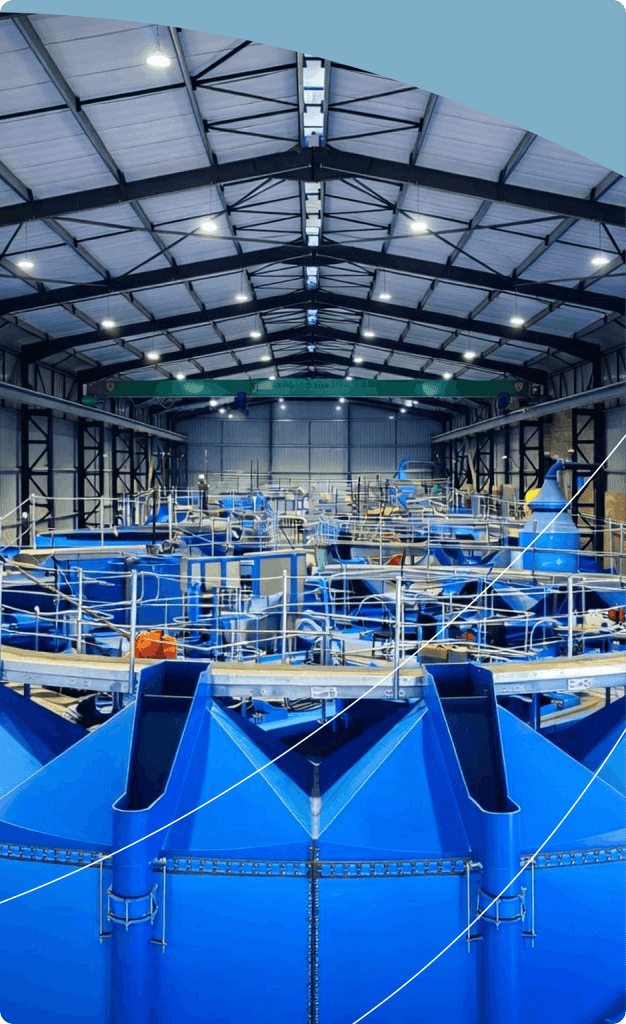
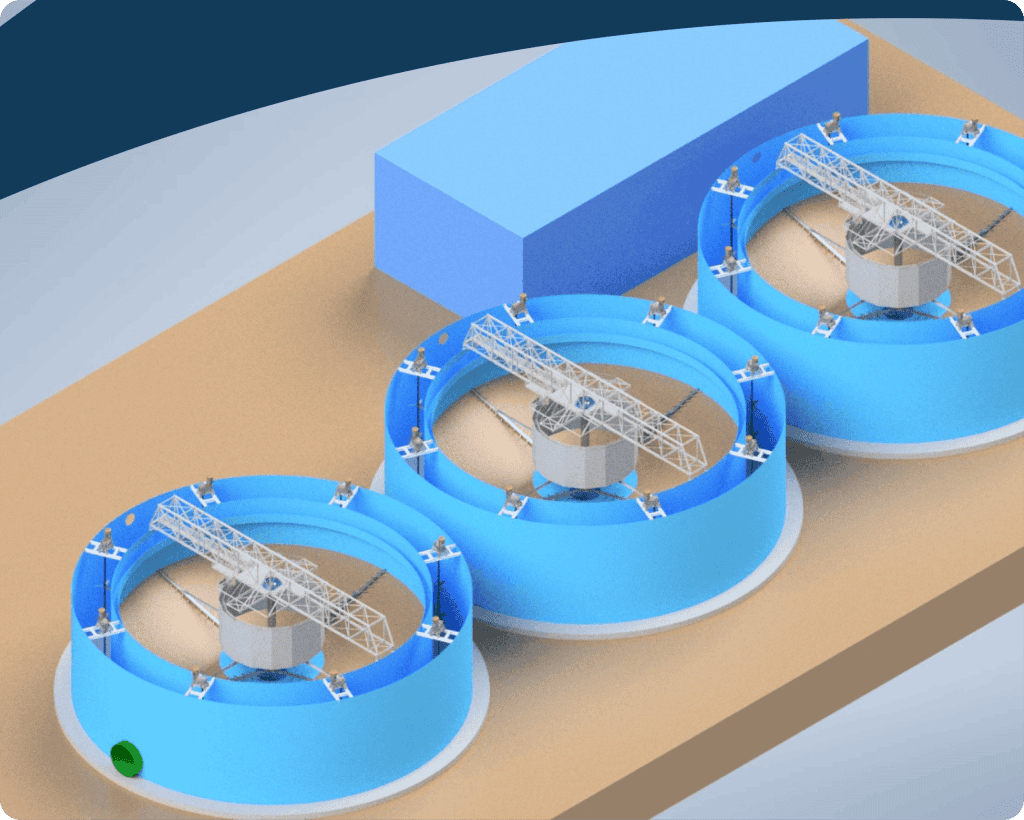
The treatment plant was delivered as a pre-fabricated, modular system. This eliminated long design phases, reduced civil works, and allowed installation and commissioning to run in parallel.
"Instead of forcing water through a pre-designed system, we built for the water we had."
The timeline that changed what was possible
In just ten months, Hammanskraal had a functioning potable water solution — compared to four to six years for a traditional civil construction project.
March 2023
Contract signed — Hammanskraal emergency intervention
Oct / Nov 2023
First water produced — within 7–8 months of contract award
January 2024
Full 50 MLD capacity operational
Conventional equivalent
4–6 years from contract to operation
~10 mo
Contract to operation
4–6 yr
Conventional equivalent
50 MLD
Conventional equivalent
What the deployment delivered
The emergency plant now delivers 50 megalitres of potable water — exceeding the capacity of the original system it replaced. More importantly, it does so under conditions that would have crippled conventional infrastructure.
Met all performance requirements
Handled highly variable, contaminated water including turbidity levels up to 400 NTU without reducing output.
Delivered on budget
Zero cost overruns despite emergency timelines, complex source water conditions, and significant community pressure.
Excellent safety record
Zero lost time due to unrest and construction mafia threats — active community involvement throughout.
Restored trust and dignity
Visible delivery of clean water rebuilt community confidence in service delivery and constitutional rights.
From emergency to permanent — a new benchmark
Originally positioned as a temporary emergency measure that could be relocated once a permanent extension was built, the Kalabas plant proved so reliable and effective that it became the permanent full extension instead.
The Hammanskraal intervention demonstrated that emergency infrastructure does not have to be a stopgap. With the right design philosophy, it can become dependable, scalable, and permanent.
"The 'temporary' solution outperformed the infrastructure it was meant to support — and stayed."
What this means for future emergency responses
Kalabas can be deployed rapidly — in under six months from order to operation — because it arrives as a complete, pre-engineered module. It requires minimal civil works, no protracted design effort, and integrates all seven treatment stages into a single unit.